
About Obscyra Digital
Who stands behind every published rule
About Obscyra Digital
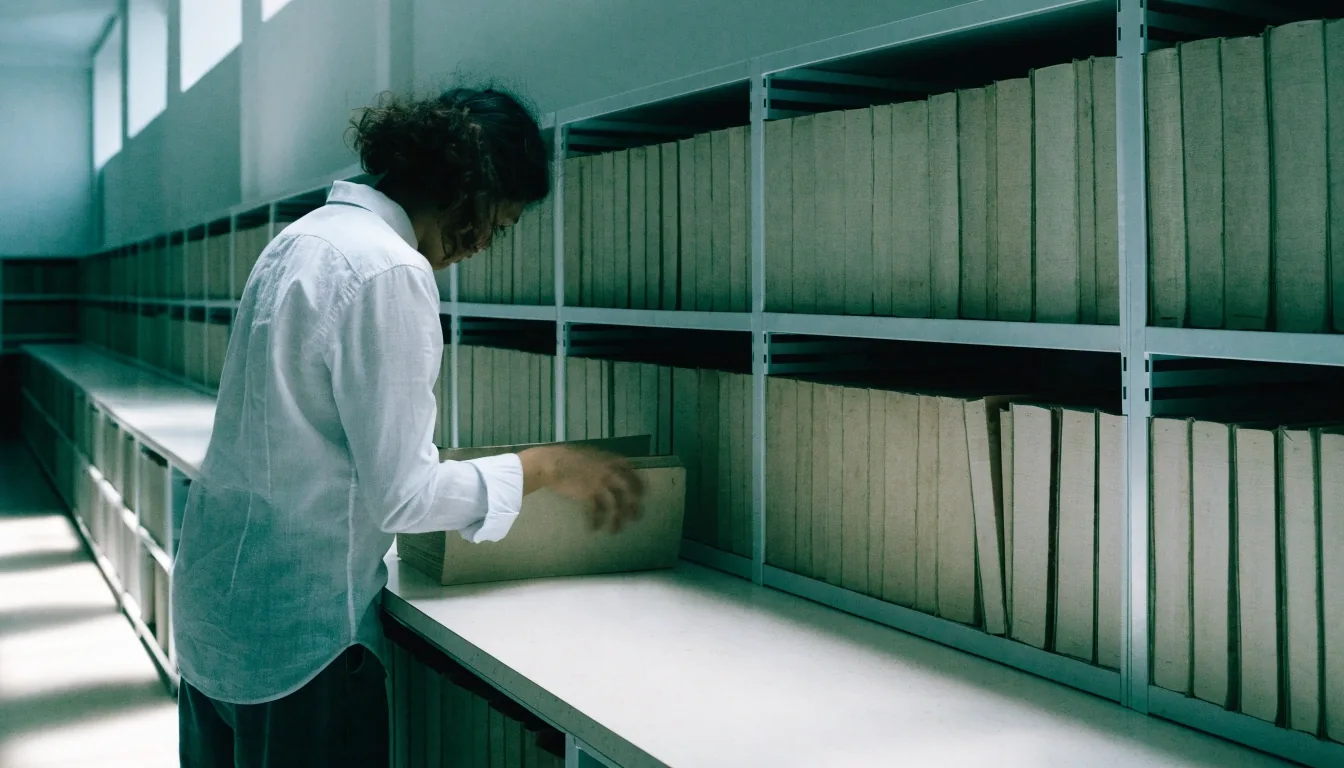
Obscyra Digital maintains the policy and documentation library published on obscyra.digital. This page explains who is responsible for these documents, how editorial decisions are made, and what the library does and does not cover.
The library exists for one practical reason: a reader should be able to find the rule that applies to them, understand who confirmed it, and know whether it is still current. Everything below describes the machinery that makes that possible, from the owner named on each page to the review cycle that eventually retires a document.
What this page answers
- Which kinds of documents the library publishes, and which it does not.
- Who owns a document, who reviews it, and who approves a change.
- Which public standards shape our writing and accessibility decisions.
- How a document moves through review and what happens when it ends.
What we publish
The four kinds of documents in the library
We publish policy and documentation resources: governance records, writing and accessibility standards, versioning and change logs, and reading guides. The library is written for a U.S. audience and follows plain-language conventions so readers can find a rule and act on it quickly.
Each family does a different job, and they are kept deliberately separate. A governance record explains how a decision was reached. A standard states the rule we hold ourselves to. A change log states what moved and when. A reading guide explains how to use the other three.

Review meetings are recorded in the governance log, including the reason a change was opened and who signed off on it.
How editorial decisions are made
A written reason before any rule changes
Content decisions follow the governance process described in the library. A change starts with a written reason, passes review against the standards, and is approved by the owner. We do not publish a policy change without recording why it was made, and we do not edit a rule in place without a version entry.
Someone with a stake in the rule writes down the reason for the change, the section it touches, and what the current wording gets wrong or leaves open.
A reviewer checks the proposed wording against the standards: is the headline precise, is the paragraph short, does the rule state its own scope and exceptions.
The document owner approves or returns it. Approval is recorded with the review date, and the version entry follows in the same release.
If a rule needs an exception, the exception is written into the document itself rather than handled quietly. Readers should never have to ask whether an exception exists.
Who is responsible for a document
Three roles, printed on the page itself
Every document names an owner. The owner is accountable for that document's accuracy and signs off on changes. If the rule is wrong, the owner is the person who fixes it and the person a reader can ask about.
Ownership is named per document, not per team, so a rule about accessibility is not signed by whoever happened to publish it last.
A reviewer checks the document against the standards before publication, and sets or confirms the review date. The reviewer is a separate name from the owner, and both appear on the page.
The approver accepts the change on behalf of the library. Approval is recorded before publication, not after, and the reviewer notes are attached to the version entry.
Why it is printed
Responsibilities are listed on the page itself, so a reader always knows who is accountable. You should not have to write to a general inbox to find out whether a rule is current or who decided it.
The standards we hold ourselves to
Plain language, short paragraphs, and a page you can scan
Our writing and structure rules come from the Standards and Accessibility page. We apply the plain-language conventions that federal design systems and usability guidance recommend: precise headlines, concise copy, and a strong information hierarchy.
Two references we follow
Where our approach comes from
Our structure draws on well-documented public practice rather than invented method. The W3C Web Content Accessibility Guidelines inform our accessibility decisions. Nielsen Norman Group research on readability and cognitive load supports keeping layouts scannable.
Large documentation systems, including GitHub Docs and Stripe Docs, show how modular topic pages stay minimal without becoming thin. Material Design's hierarchy logic informs how we order information. The CFPB design system's emphasis on governance before change shapes how we approve edits.
Each of these references describes an influence on how this library is written. None of them is a partner, sponsor, or endorser of Obscyra Digital.
Our reference set is public guidance on readability, accessibility, and structure. We cite it so readers can check the reasoning themselves.
What we do not claim
We do not publish certifications we have not been granted, testimonials, ratings, or outcome promises. We do not use before-and-after material.
We also do not claim to be affiliated with the organizations whose public guidance we reference. Those references describe influences on our approach, not partnerships.
How this library stays current
A review date, a change log, and a shelf for retired pages
Each approved document carries a review date. As long as that date is in the future, the document is considered current and readable as written.
Passing the review date flags the document for re-check. It stays published while it is re-read, so links do not break and readers are not locked out of a rule they were following.
Changes are recorded in the change log, and retired documents stay in the library for reference. Superceded wording is not deleted, because readers may still be working from it.
Frequently asked questions
Two questions come up most often from readers checking whether a page is authoritative. If yours is not here, the FAQ page covers the rest.
Responses are written by the same team that maintains the library, and each answer matches what the source documents already state.
See all frequently asked questionsAre you affiliated with the organizations you reference?
Who owns these documents?
How to reach the team
Corrections, clarifications, and questions go through the Contact page. Naming the document and section helps us route the message to the right owner. Requests are logged against the document they concern.
You can also write to [email protected] or call +1-202-478-1904 during working hours.
1201 Market Street, Suite 1400, Philadelphia, PA 19107, United States. Monday to Friday, 9:00 AM – 6:00 PM Eastern Time.